
2. 6. 2026
Crutches – choosing and using them correctly
Today's market for mobility aids offers a huge range of crutch types. We'll focus on the most commonly used ones and explain who each type is meant for and how to use them correctly, so that using them doesn't end up doing more harm than good.
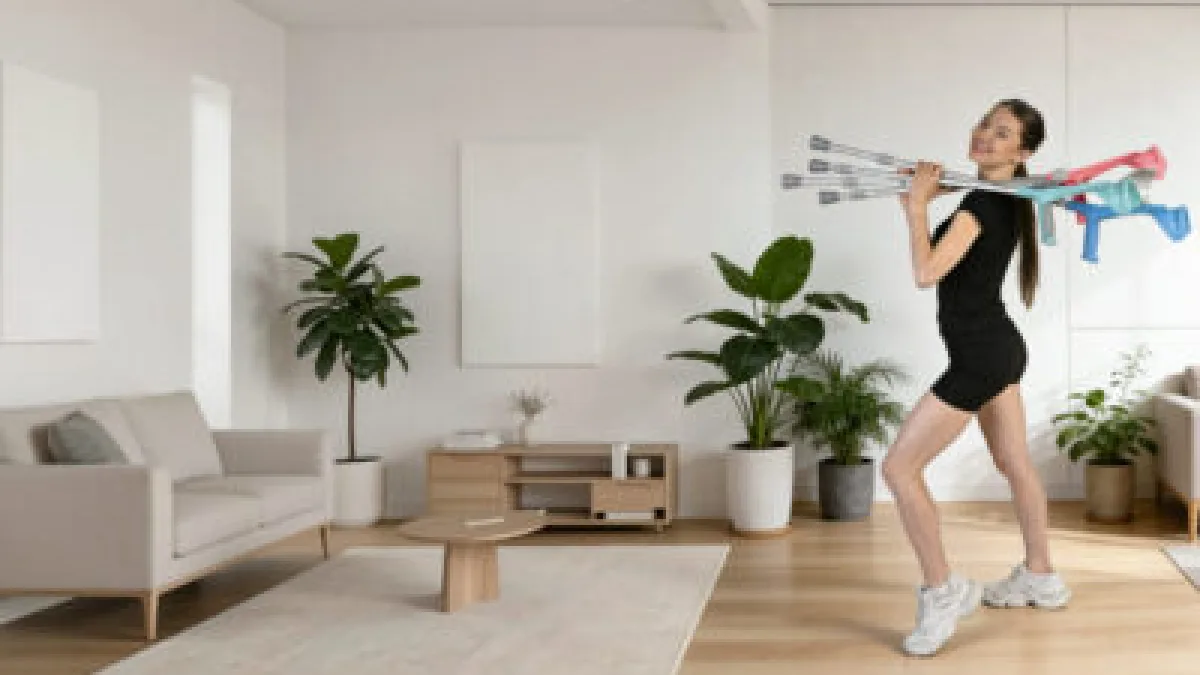
The most common type is the forearm crutch (also known as a French or elbow crutch), which offers greater stability, mobility and relief for the affected leg compared with an underarm crutch. Instead of resting under the arm, weight is transferred through the handle and forearm cuff, which puts less strain on the shoulders. It is height-adjustable and often fitted with a reflector. Load capacity is usually up to 150 kg. A softened version is also available, with a specially shaped, cushioned handle that reduces strain on the palm and hand fatigue. There is also a children's crutch, which is smaller, lighter, available in colour finishes, and shaped for a child's build.
The forearm crutch is suitable for post-operative conditions, longer-term injuries, or chronic musculoskeletal problems.
When walking with a single crutch, always hold it in the hand opposite to the affected leg. When taking a step, the crutch moves forward together with the affected leg.
If you use two crutches, first move both crutches forward, then step with the affected leg, and finally step through with the healthy leg.
When going up stairs, lead with the healthy leg; when going down, lead with the affected leg together with the crutches.
Underarm crutches are mobility aids designed to provide stability after injuries or operations, mainly for short-term use. They are suitable for patients who need to relieve weight from their legs and who have lower stability or less strength in their hands.
They are made from a lightweight aluminium tube with a height-adjustable underarm rest and a padded handle. Weight is transferred through the hands, not the underarms. They are height-adjustable, with soft, washable covers on the handle and underarm rest — the top padded rest should sit below the armpit so the arms are slightly bent at the elbow when holding the crutch. Load capacity is usually up to 130 kg.
When moving, first advance the crutches, then the injured leg, and finally the healthy leg. Transfer your weight through your hands while walking — don't lean your underarms on the crutches, as this can damage nerves.
Underarm crutches are available in sizes S, M and L, for both children and adults.
Walking sticks are suitable for seniors or people with reduced mobility. They provide support to improve stability and balance, relieve the leg joints while walking, and support correct posture. They can be made of aluminium or wood, and are also available as folding sticks.
Crutch accessories are often overlooked, even though they significantly ease movement on snow or ice — such as five-point and six-point ice tips. There is also the Flexyfoot spring-loaded tip, which improves grip on the surface and absorbs impact on hard ground, helping to ease pain associated with long-term joint strain.
Other useful accessories include replacement rubber tips and handle/underarm-rest covers, which reduce pressure sores from long-term crutch use.
A great help is a crutch holder that can be hung on the bed, keeping the crutches within easy reach and preventing the patient from having to move without support while looking for them.
Also think about the environment the patient using crutches moves through — remove any obstacles in the room, such as rugs, thresholds, or furniture blocking the way. Likewise, when going outside, choose routes that are easy to walk with crutches.