
28. 6. 2026
How can positioning aids help?
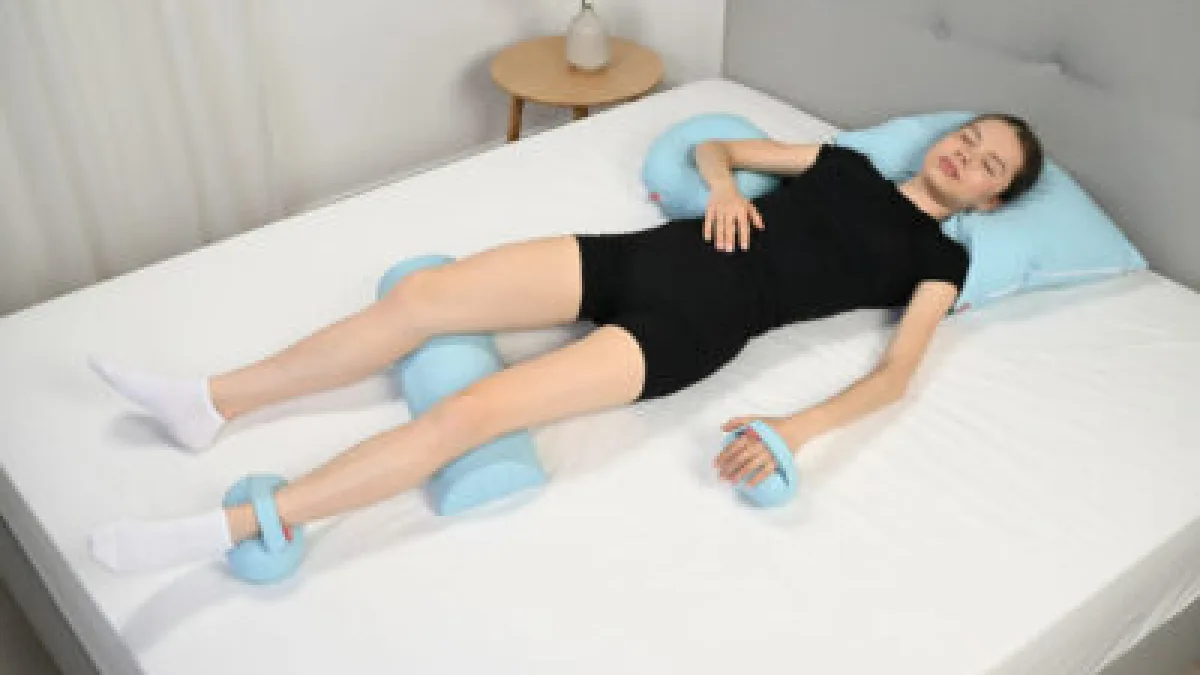
Positioning aids are an important part of therapy and exercise, with a wide range of uses. Most of us have probably come across some form of them at one point in our lives. They have a firm place in rehabilitation and physiotherapy, and are especially crucial for people confined to bed for long periods, since they help minimise the risks associated with limited mobility. Regularly repositioning bedridden patients helps prevent pressure sores, improves blood circulation, and reduces the risk of muscle atrophy or breathing difficulties.
And that's not all. Other benefits of positioning aids include:
Faster recovery after surgery, injuries, or when treating conditions of the musculoskeletal system, as the aids support the return of flexibility
They support correct body posture and hold the body in an optimal position to reduce the risk of injury or pain
They provide comfort and pain relief during long periods of sitting or lying down
They improve posture, with a positive effect on breathing
Effective exercise using these aids engages specific muscle groups in a targeted way and increases range of motion
Depending on individual needs and on the recommendation of a doctor, pharmacist or physiotherapist, various types of aids can be used — positioning rolls, pads, blocks, cushions, splints or wedges — all of which contribute to overall wellbeing and restored mobility. These can also be supplemented with an anti-decubitus range for patients where improved mobility can't be expected, but where we still want to relieve discomfort and provide a sense of security.
All positioning aids designed and manufactured by Handicap have been tested for years by patients and hospital staff alike, and reflect their requirements for care.
All covers on our positioning aids are washable, impermeable yet breathable, and can be washed at 90 °C.
Finally, remember that only correct use of these aids contributes to improved condition, better health, and overall comfort.