
5. 8. 2026
How to overcome embarrassment using crutches or a cane
Using a mobility aid can feel psychologically difficult for many people at first. Crutches or a cane are often associated with illness, old age, or a loss of independence, so people tend to avoid them even when they would genuinely help. The result is often needless restriction of movement, or a risk of the condition getting worse, just to avoid "being seen" needing help.
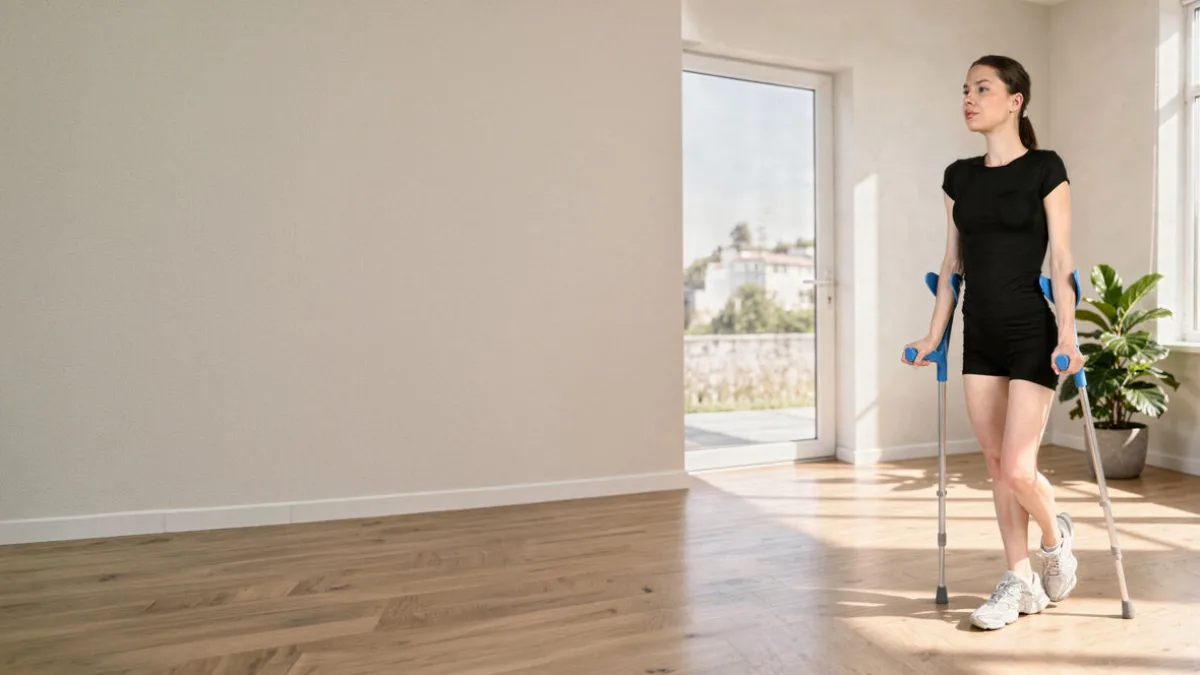
It helps to shift perspective: a mobility aid isn't an admission of weakness, but a tool that gives back freedom of movement. Much like glasses compensate for poor eyesight without anyone treating them as a stigma today, a cane or crutch simply helps the body do what it needs to do. There's also a wide range of colourful, well-designed models on the market, which turn the aid into more of an accessory than "medical equipment".
It's worth remembering that people around you pay far less attention than you might think. Passers-by are usually absorbed in their own concerns and their phones, and register a crutch or cane only in passing, without giving it a second thought. The fear of being judged is usually much stronger in your head than in reality.
A visible aid also sends an important signal to the people around you. On public transport or at a crossing, it clearly says: "I need a little more time or space." People are more likely to offer a seat, and drivers tend to be more careful. Without a visible aid, nobody knows about the limitation, and the risk of an unwanted collision or fall is actually higher.
It helps to start at home, in a safe and familiar environment, and get used to walking with a crutch or cane there first. Only then try a short walk outside, ideally with company. Most people find that passers-by pay no particular attention to the aid at all, let alone react to it.
For longer-term use, it's worth investing in a few small accessories that improve comfort and safety — anti-slip tips, softened handles, or covers that prevent pressure sores. A holder that hangs by the bed, table, or in the bathroom is also practical, keeping the aid within easy reach so you never have to stretch across the room without support.